A Place of Perfection
Is it possible to be completely objective when discussing the newest car from my favorite manufacturer, or is the Pagani Utopia indeed the most marvelous, whimsical, and astonishing car ever built? Pagani has always been unmatched in their baroque and extravagant approach to engineering and innovation, fusing an element of art into all of its cutting-edge technology.
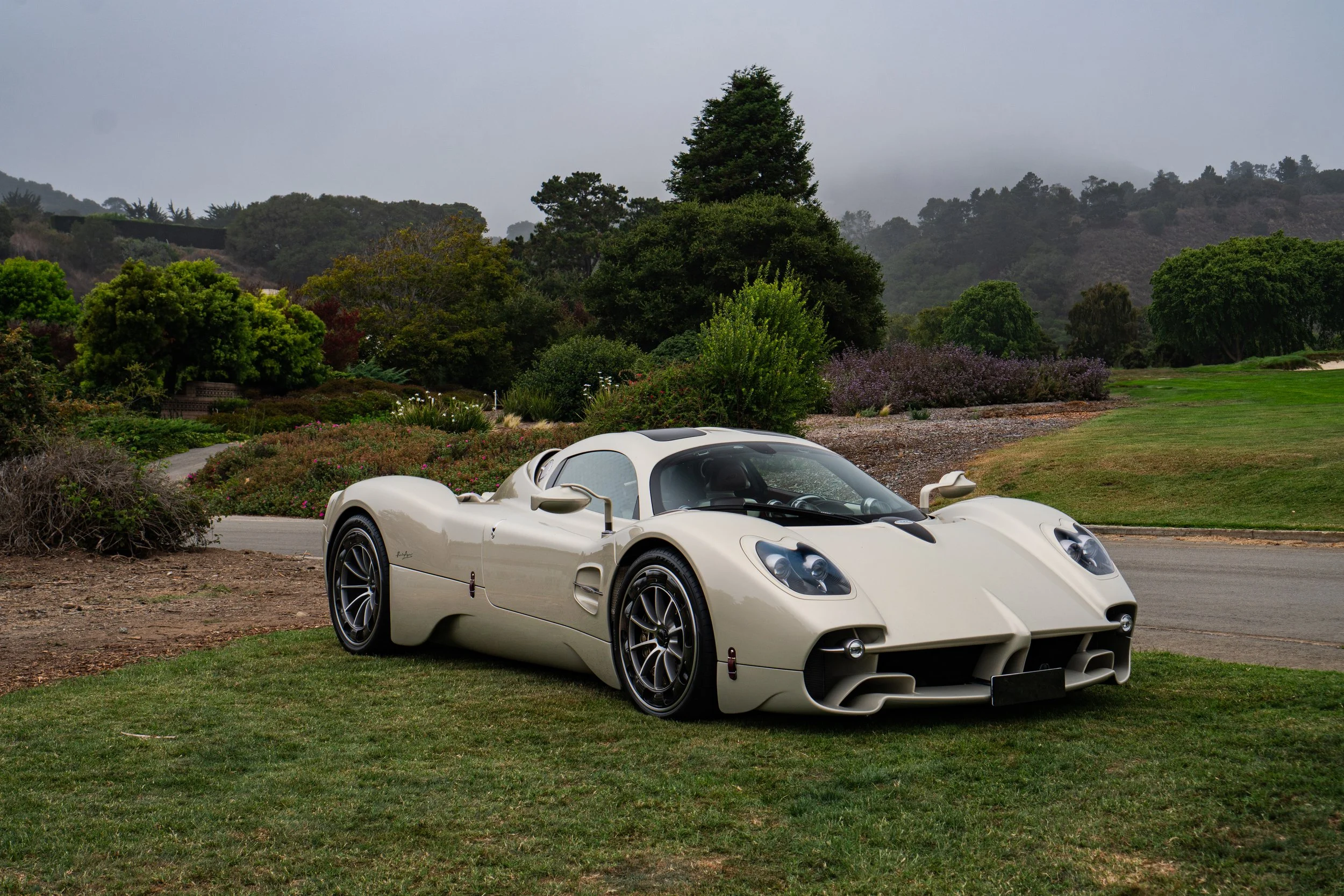
It may sound trite to place the Pagani Utopia among my favorite cars ever built. A limited production, multi-million dollar, 200+ mph bespoke hypercar sounds like too cliché of a choice for someone who has a lot to say about how all of these qualities make modern exotics feel overwrought.
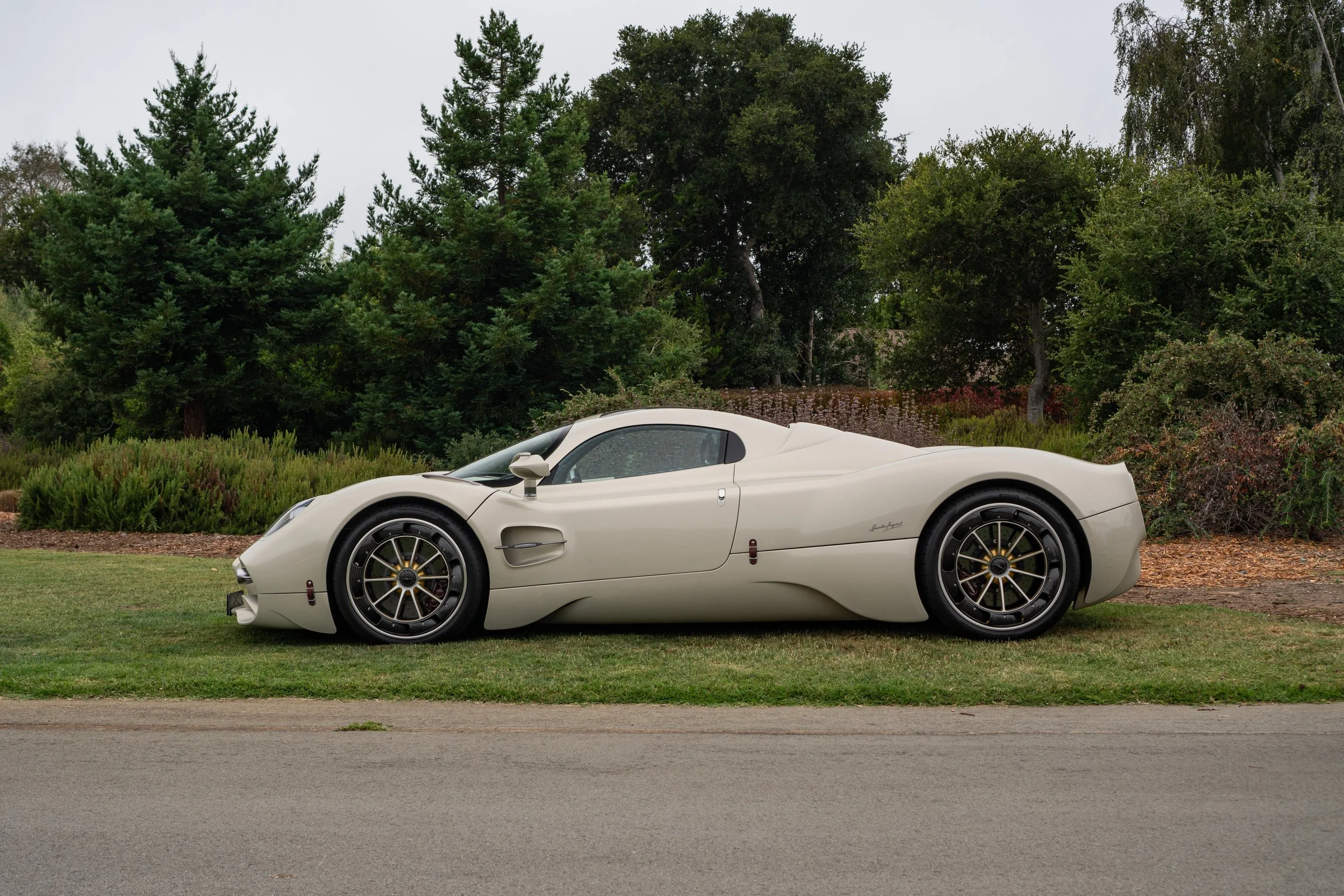
There's no shortage of new hypercars fighting for their moment in the spotlight. Each one is faster, rarer, and more expensive than the next, so mythic and unattainable that the thrill such cars once inspired seems to burn twice as brightly, but for half as long. What then, continues to fan Pagani's flame within my heart & mind?
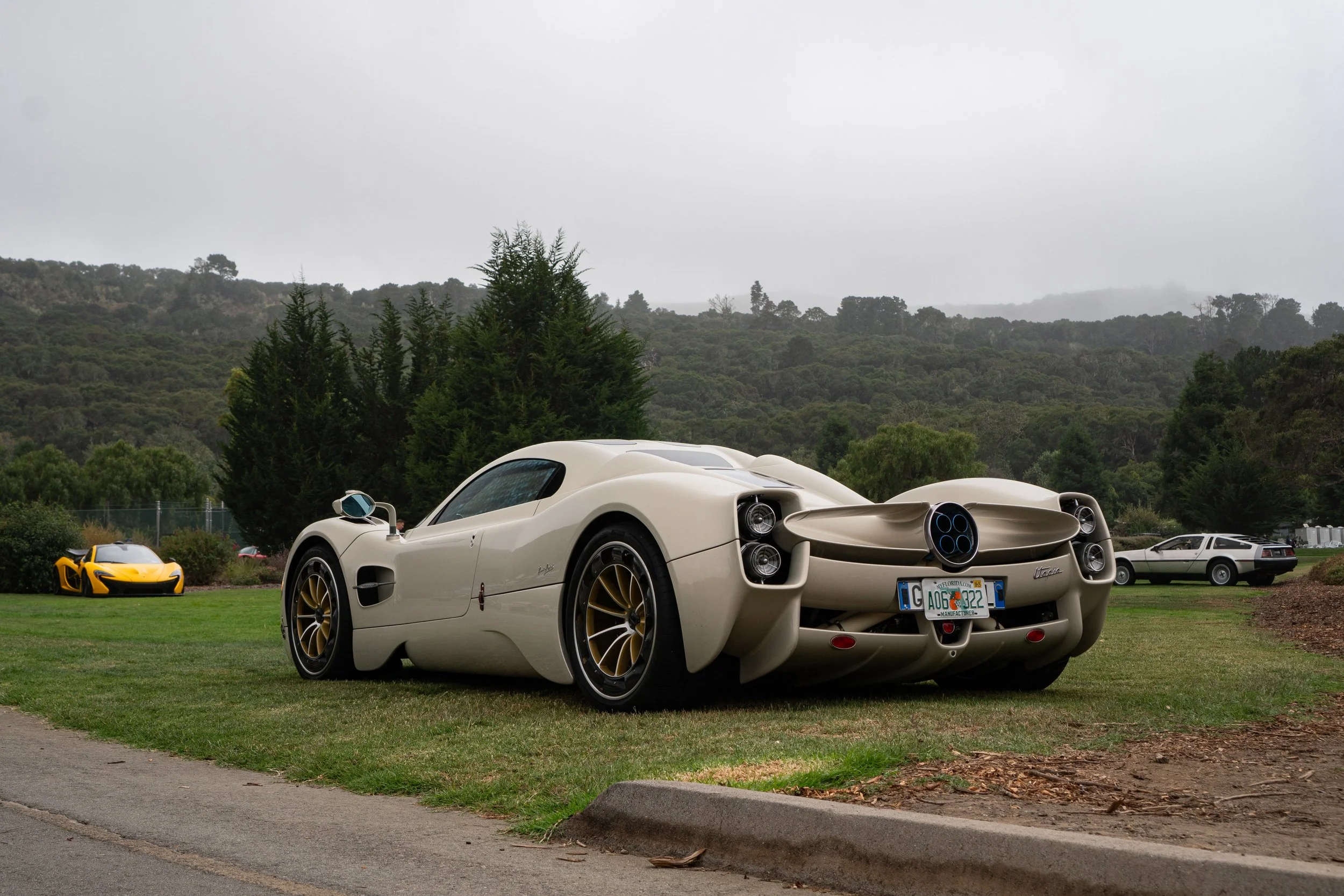
Nostalgia is a huge factor. Pagani was one of the first hypercar companies I discovered during my early days on the internet, and I've thoroughly enjoyed seeing the company grow over the years, without ever straying from the formula that first drew me in. Many manufacturers dedicate their efforts to innovation, optimization, new methods of making power or new approaches to driving dynamics. While the Utopia is well-acquainted with all these factors, Pagani's top priority has always been art.
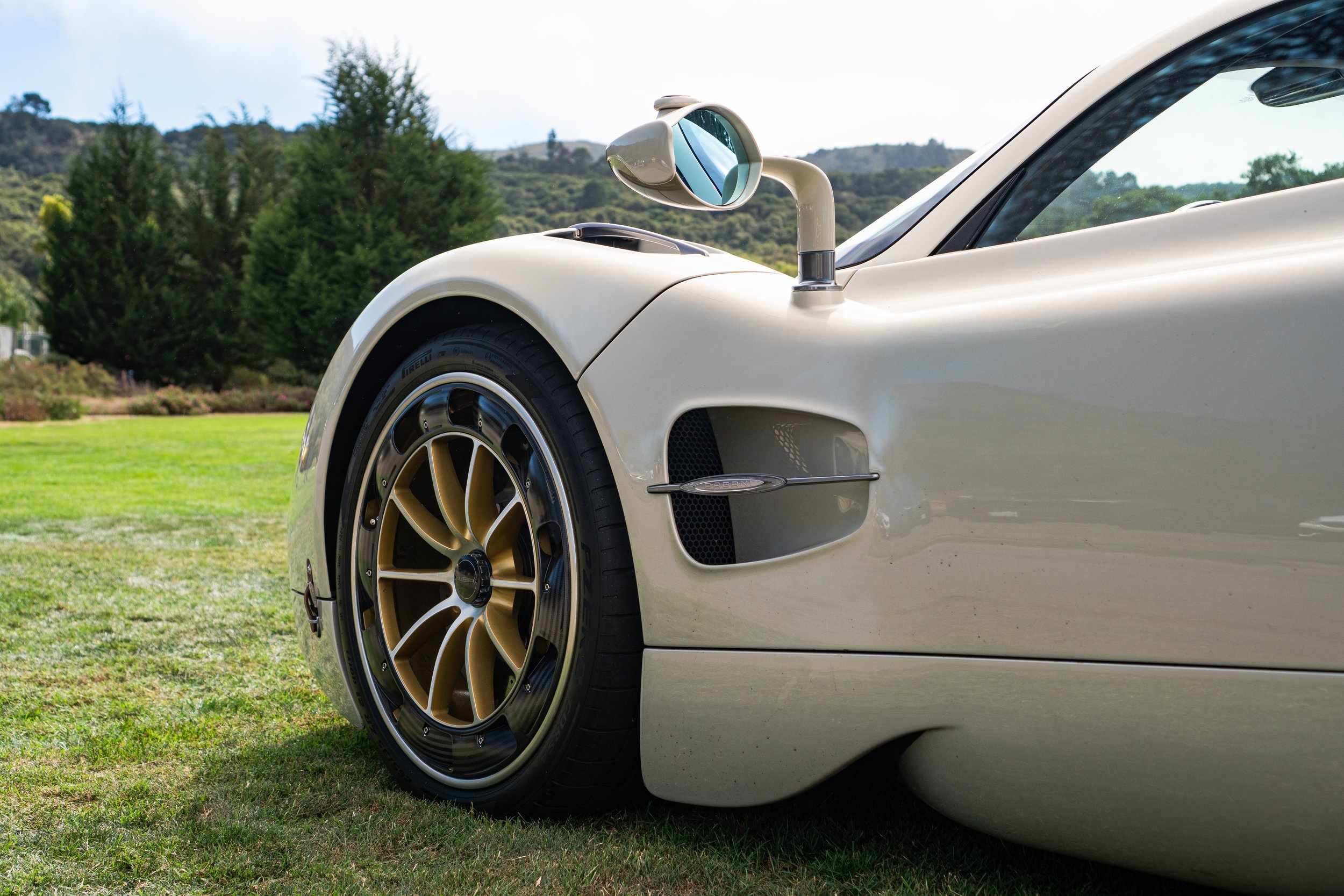
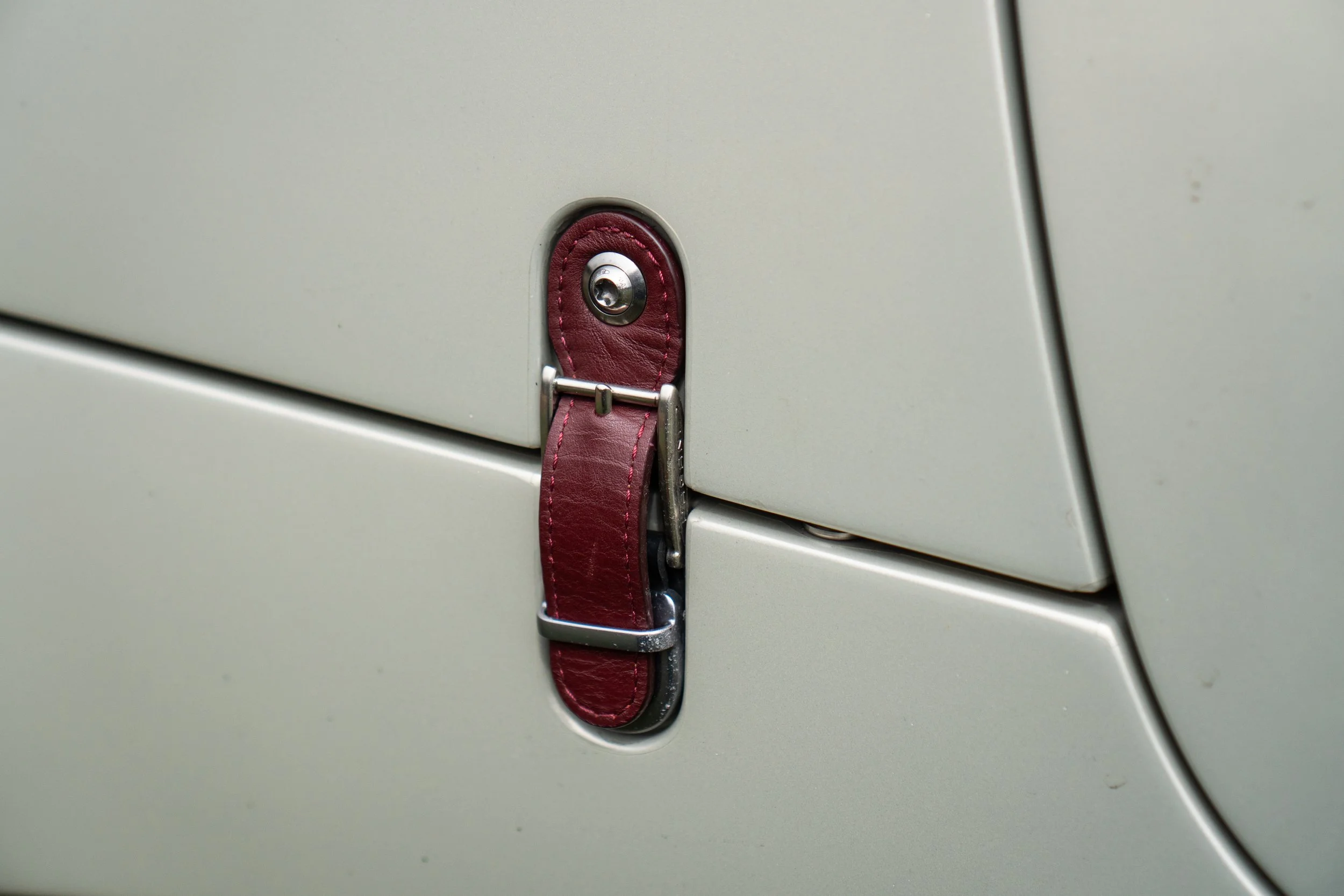
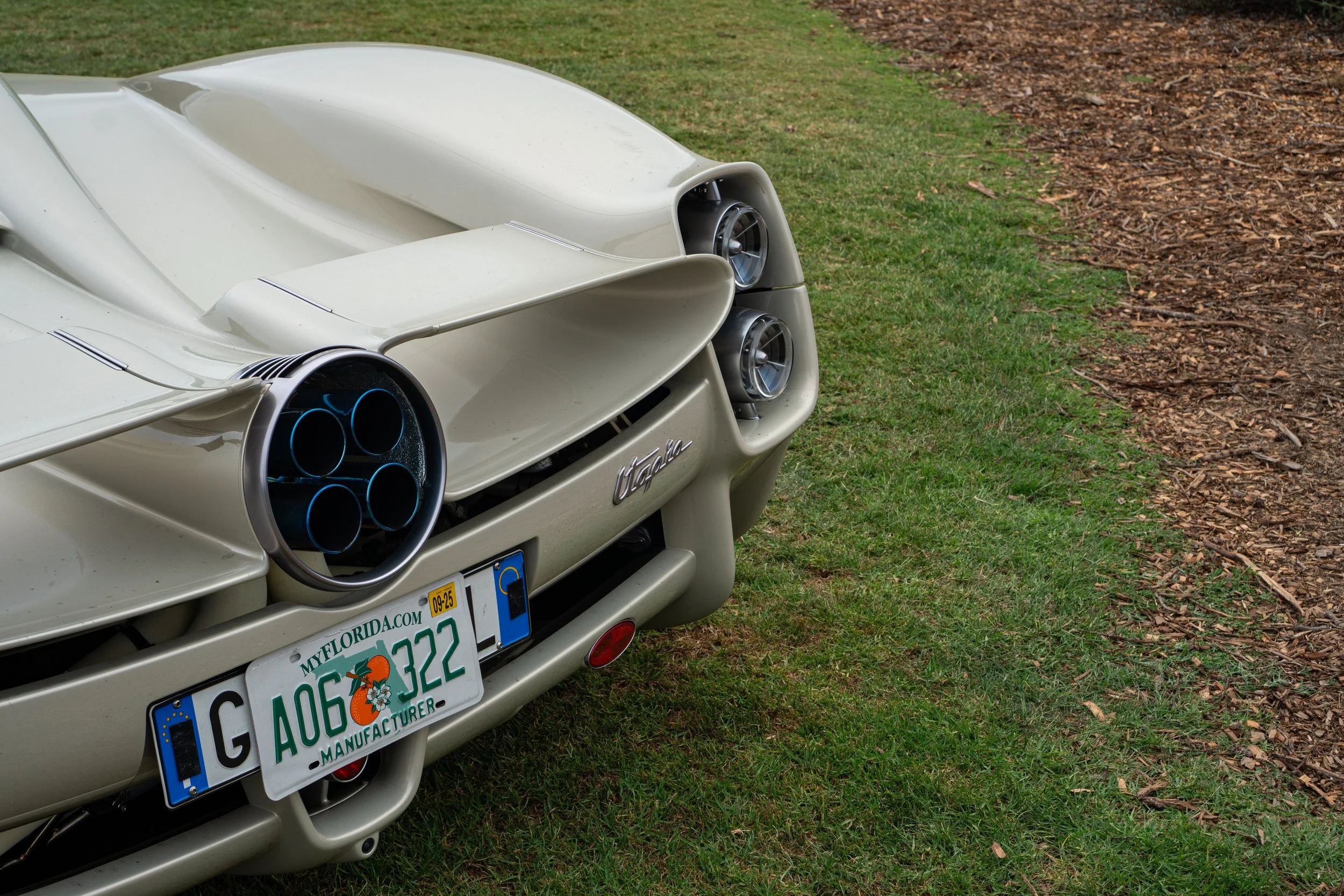
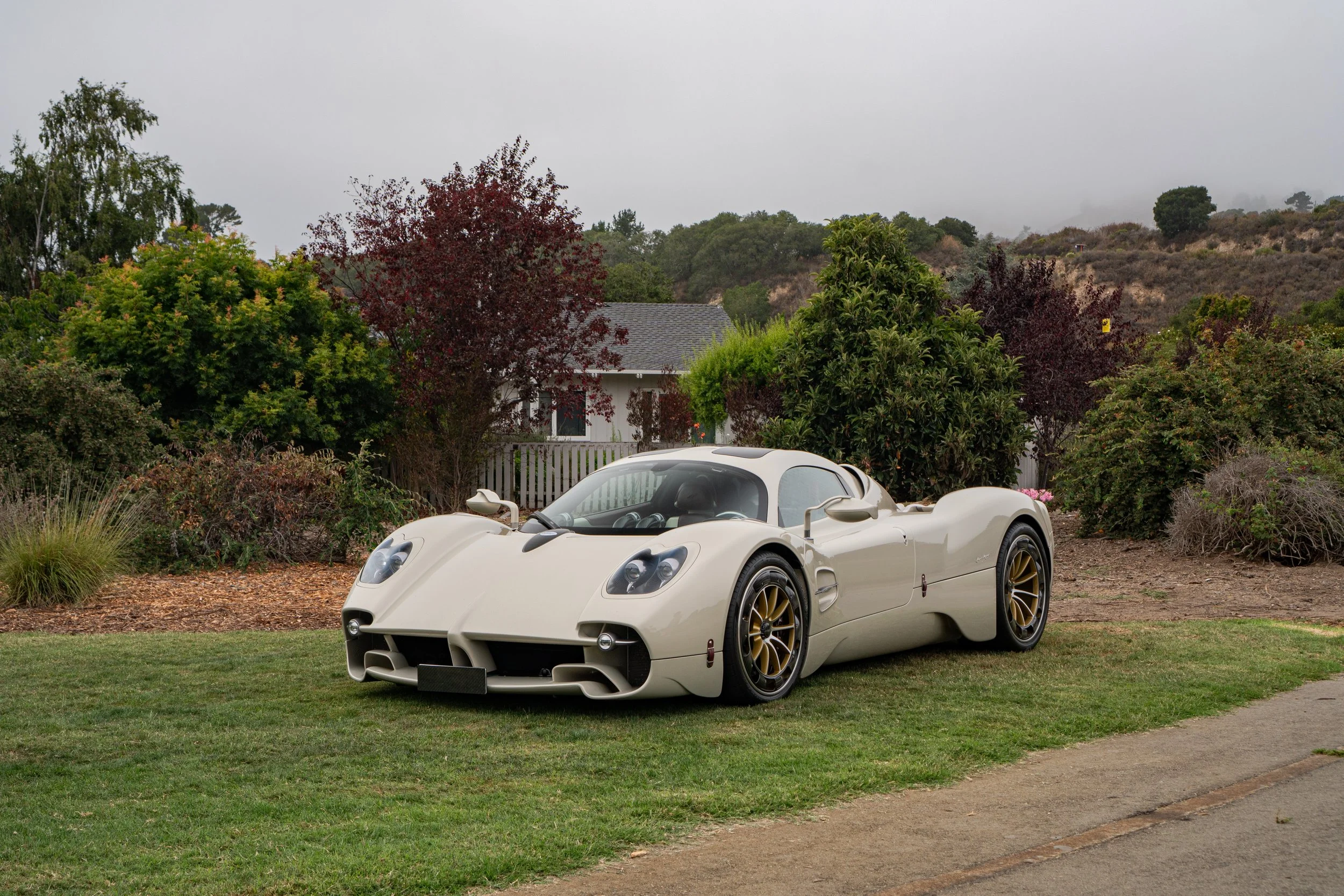
The Utopia's bodywork is the most obvious example. HP62 Carbon-Titanium, a patented composite that bears the founder's initials, is an appropriately space-age material for the Utopia's intergalactic body lines. Organic and alien as its styling is, each body panel is still secured with an old-fashioned belt & buckle arrangement, featuring impeccably finished leather and perfectly polished metal.
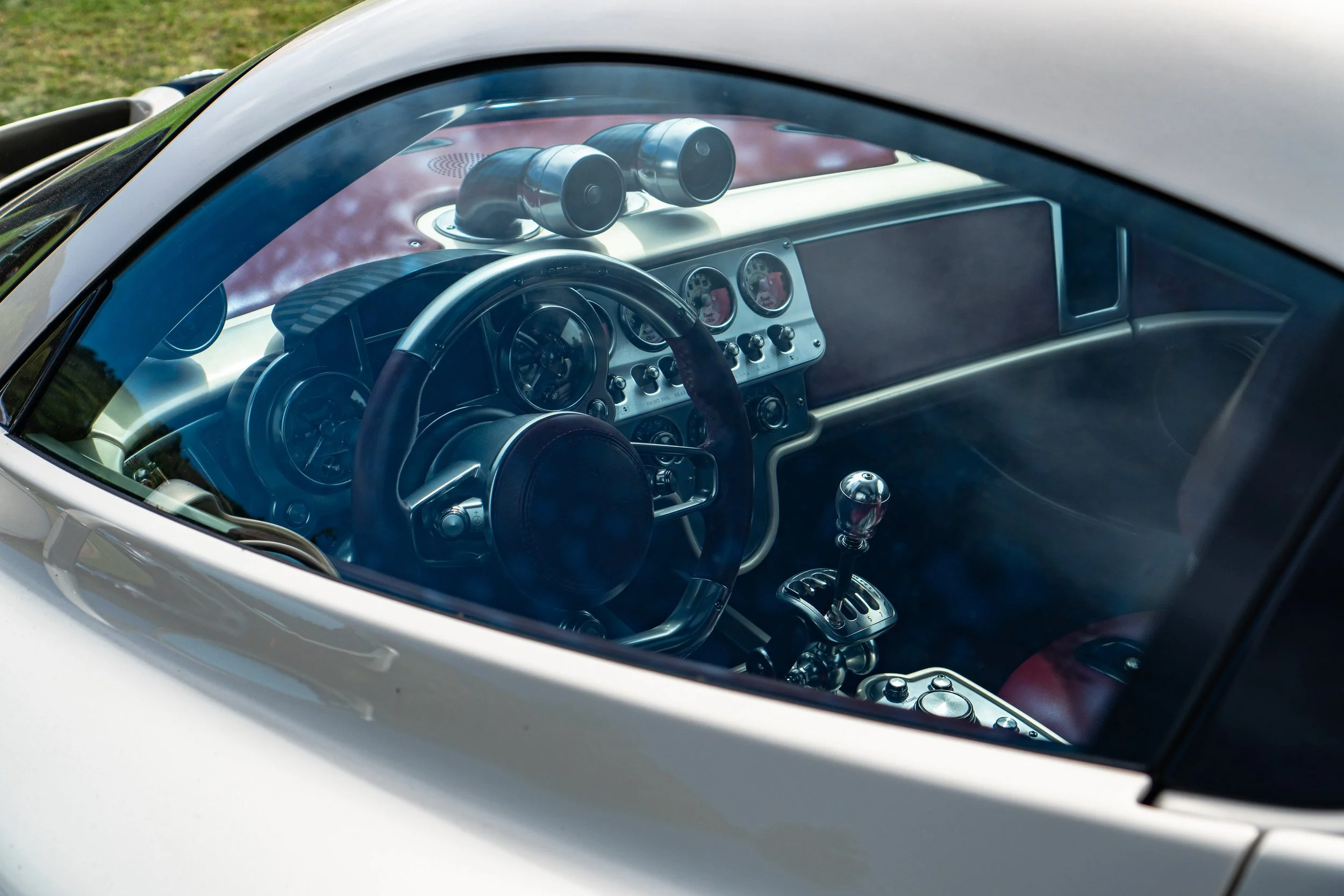
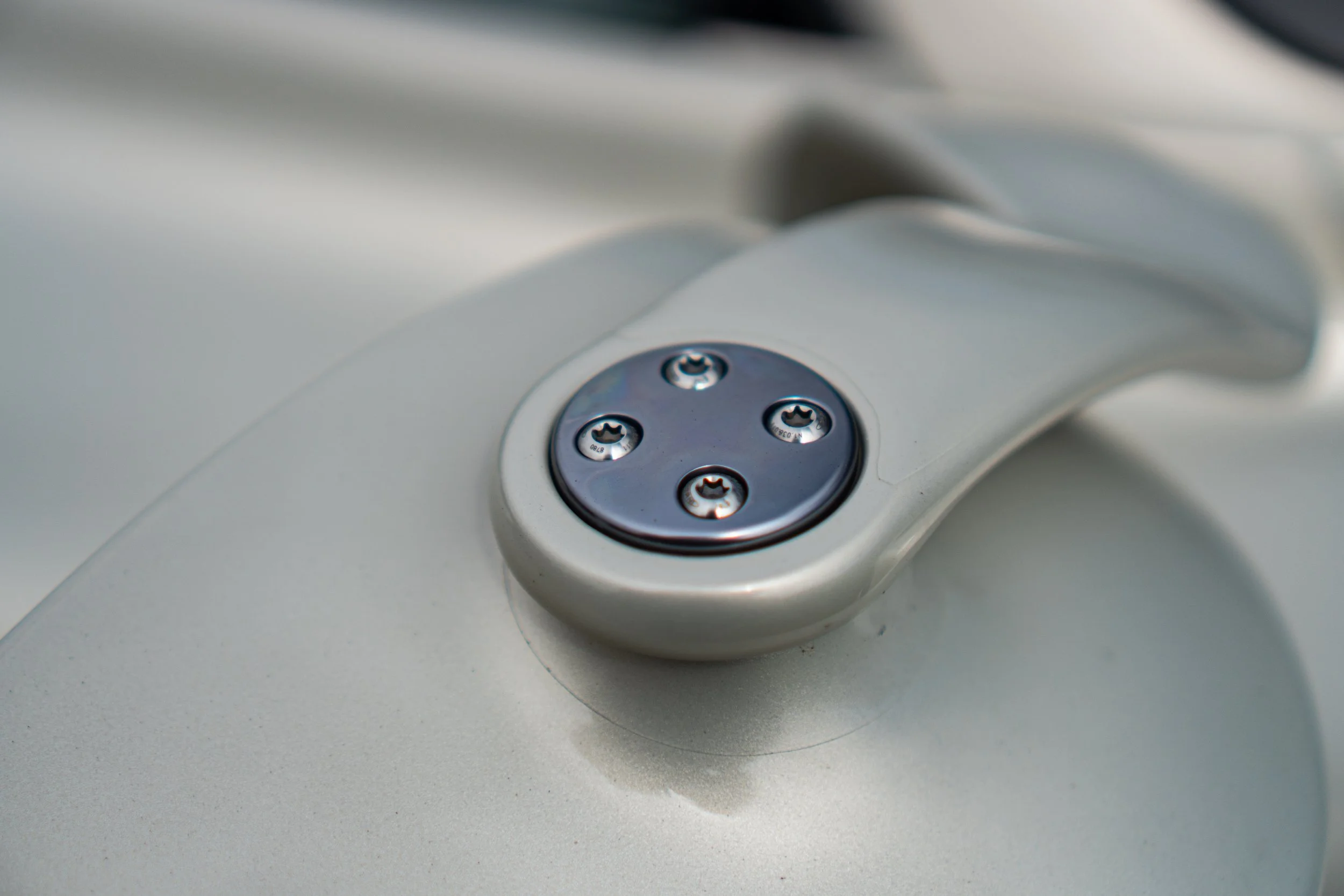
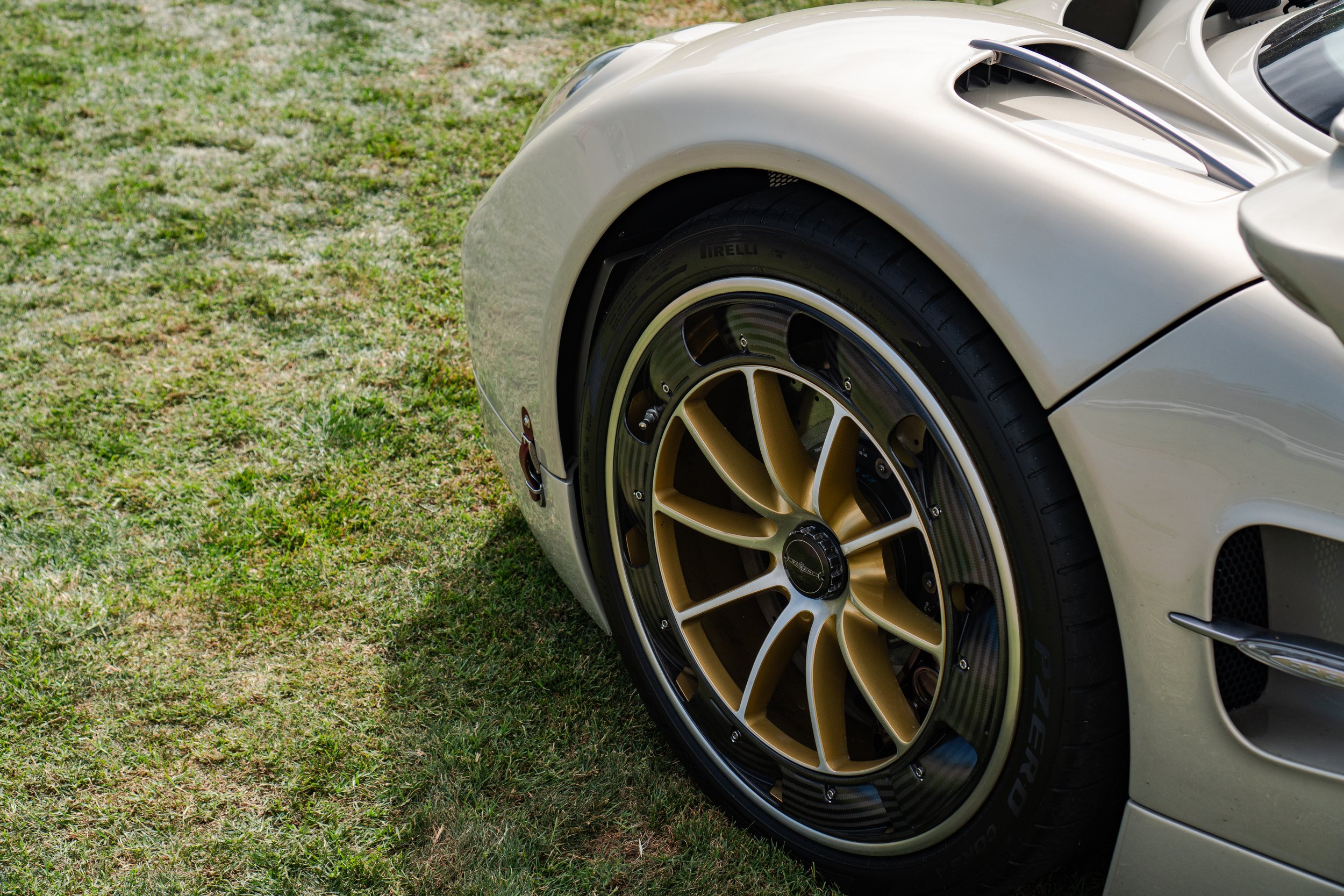
In fact, every single component, right down to the tiny titanium bolts with Pagani's logo laser-etched on the heads, is designed and constructed with beauty in mind. Aesthetics are one thing, but Pagani's greatest strength is how beautifully it fuses these tactile, mechanical elements with organic & futuristic motifs.
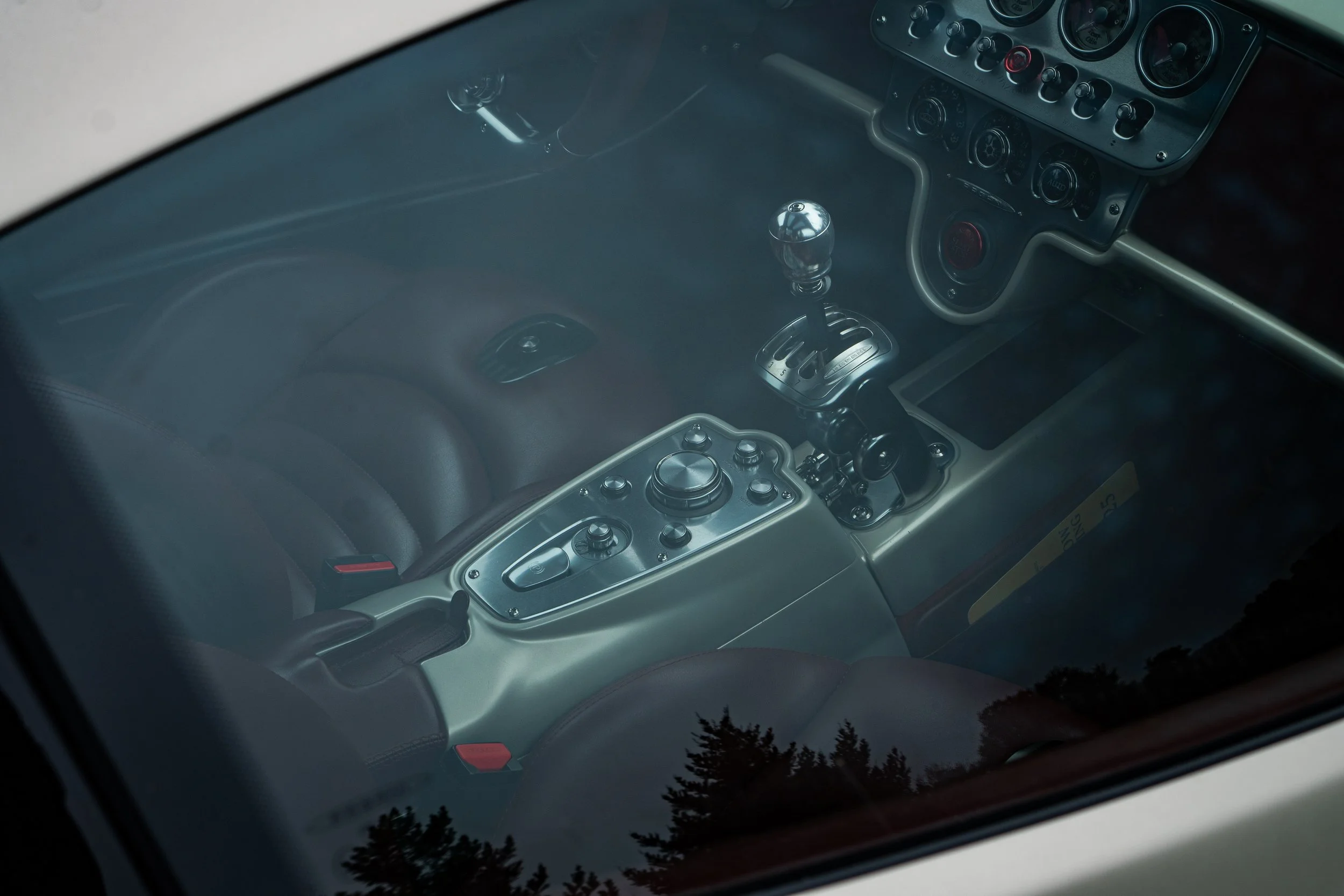
The cabin is refreshingly free of any large screen-based interfaces, though it is a much more reserved design compared to the steampunk cocktail lounge of the Huayra it replaces. It may be more tame, but the cabin still features all of Pagani's signatures. Aluminum everywhere, an ornate gear selector, and dazzling clockwork are placed upon a slab-like dashboard that reminds me of pre-war era luxury cars, yet another example of Pagani fusing classic & contemporary.
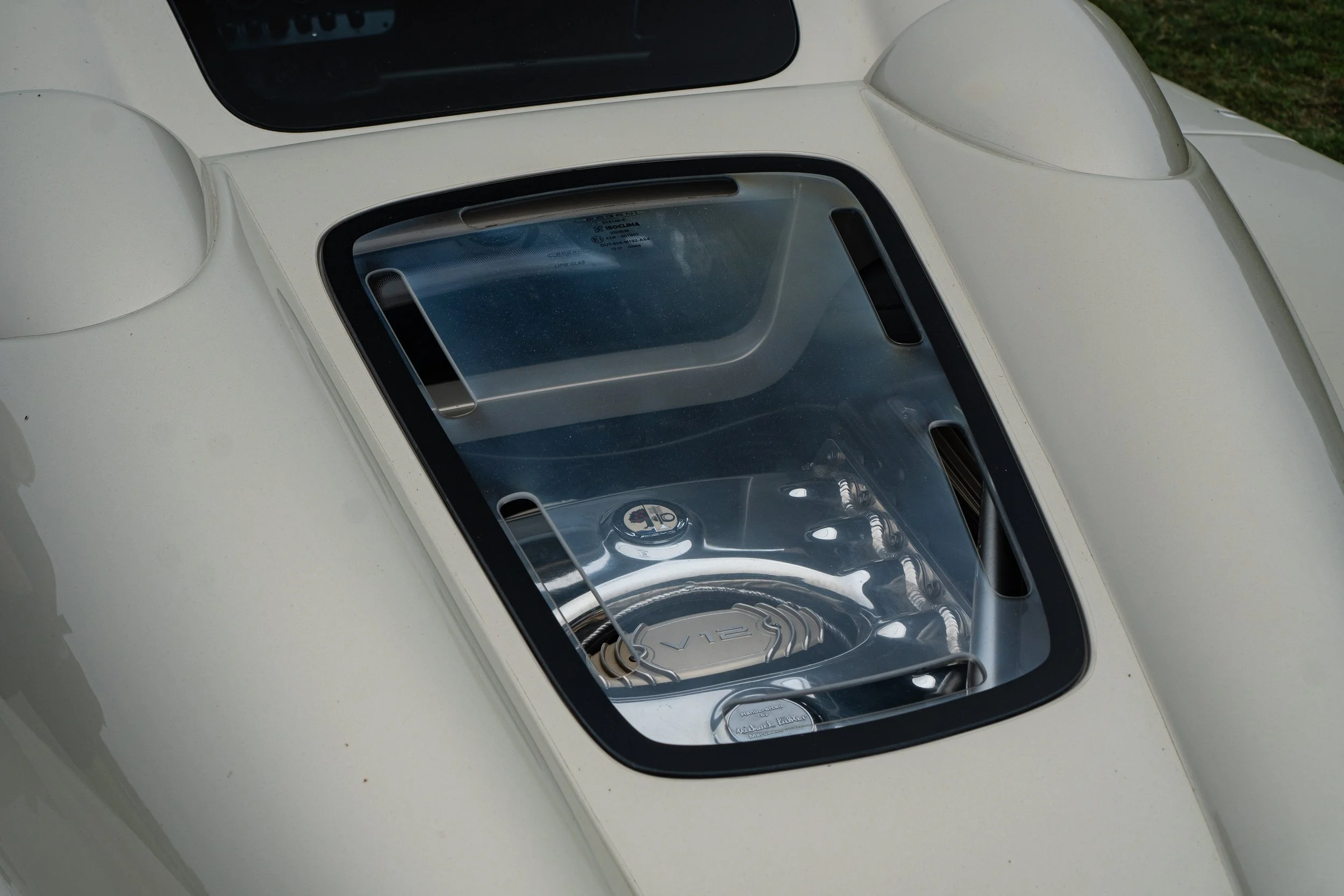
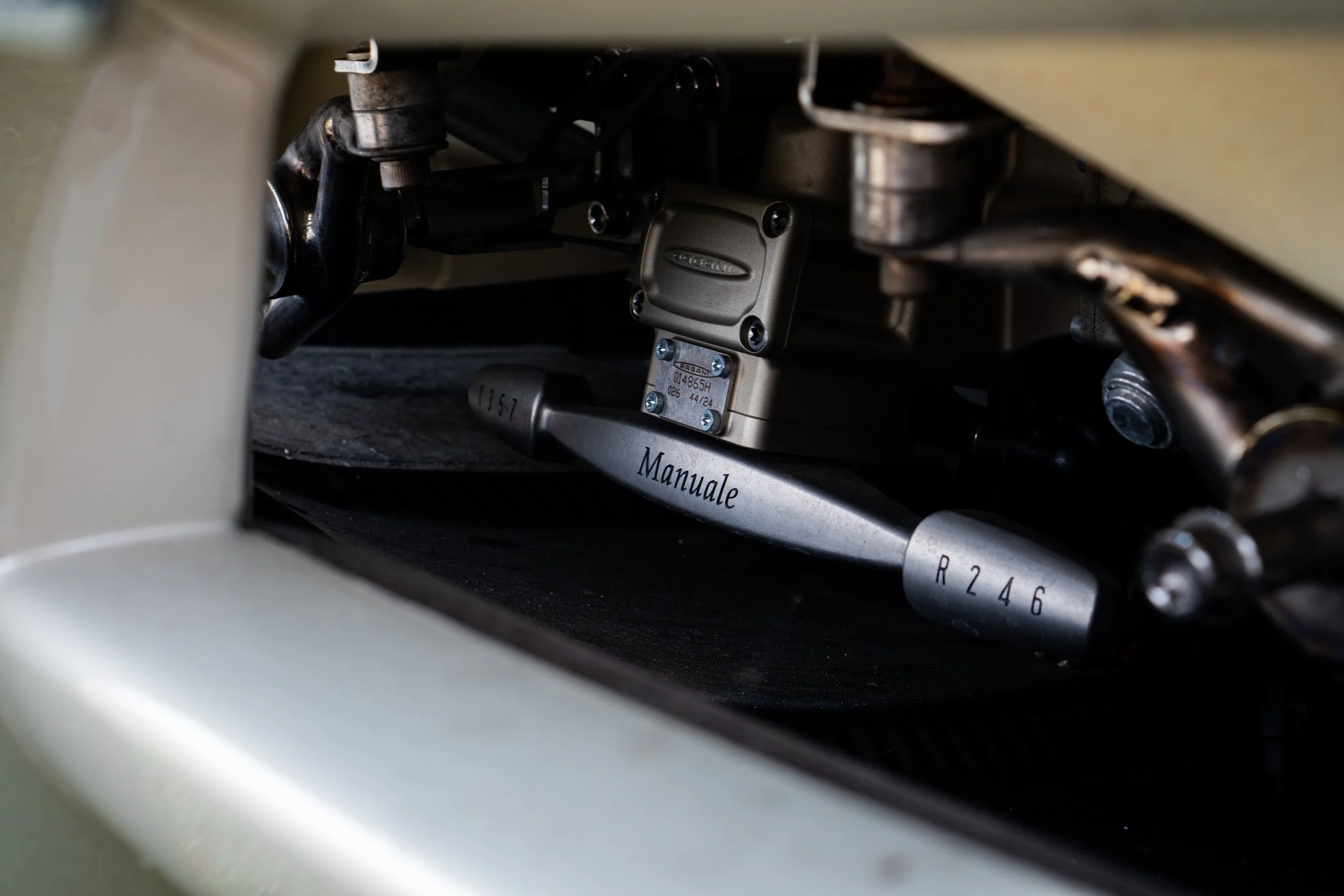
Its hardware is a similarly traditional but trailblazing affair; an AMG twin-turbo 852 bhp V-12. Mercedes doesn't even offer this engine in their own cars, yet they continue to build them exclusively for Pagani, who still offer a true manual transmission as a pairing. Modern DCTs may make better use of its immense power, but a gated manual is a stronger symbol of Pagani's ethos and vision.
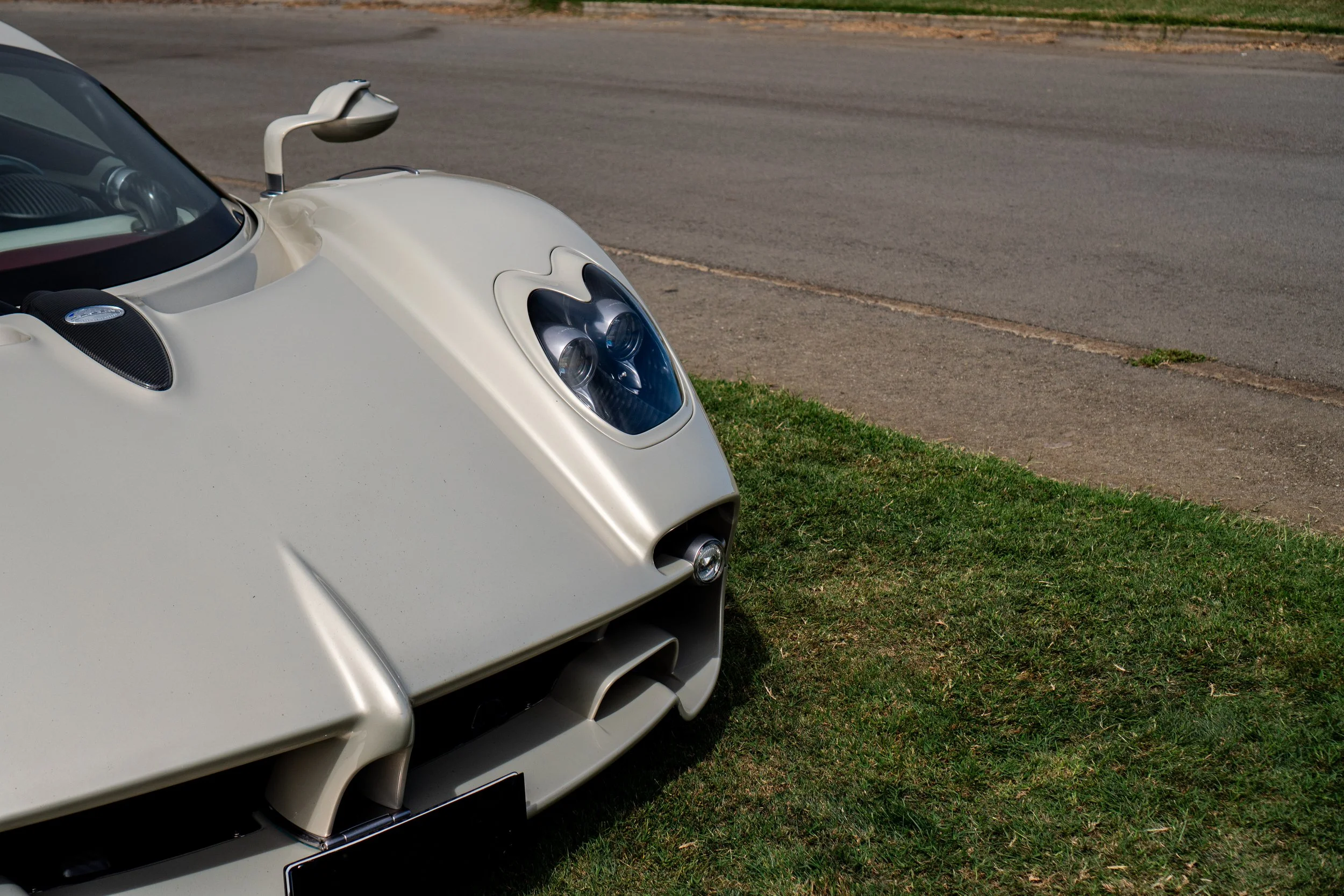
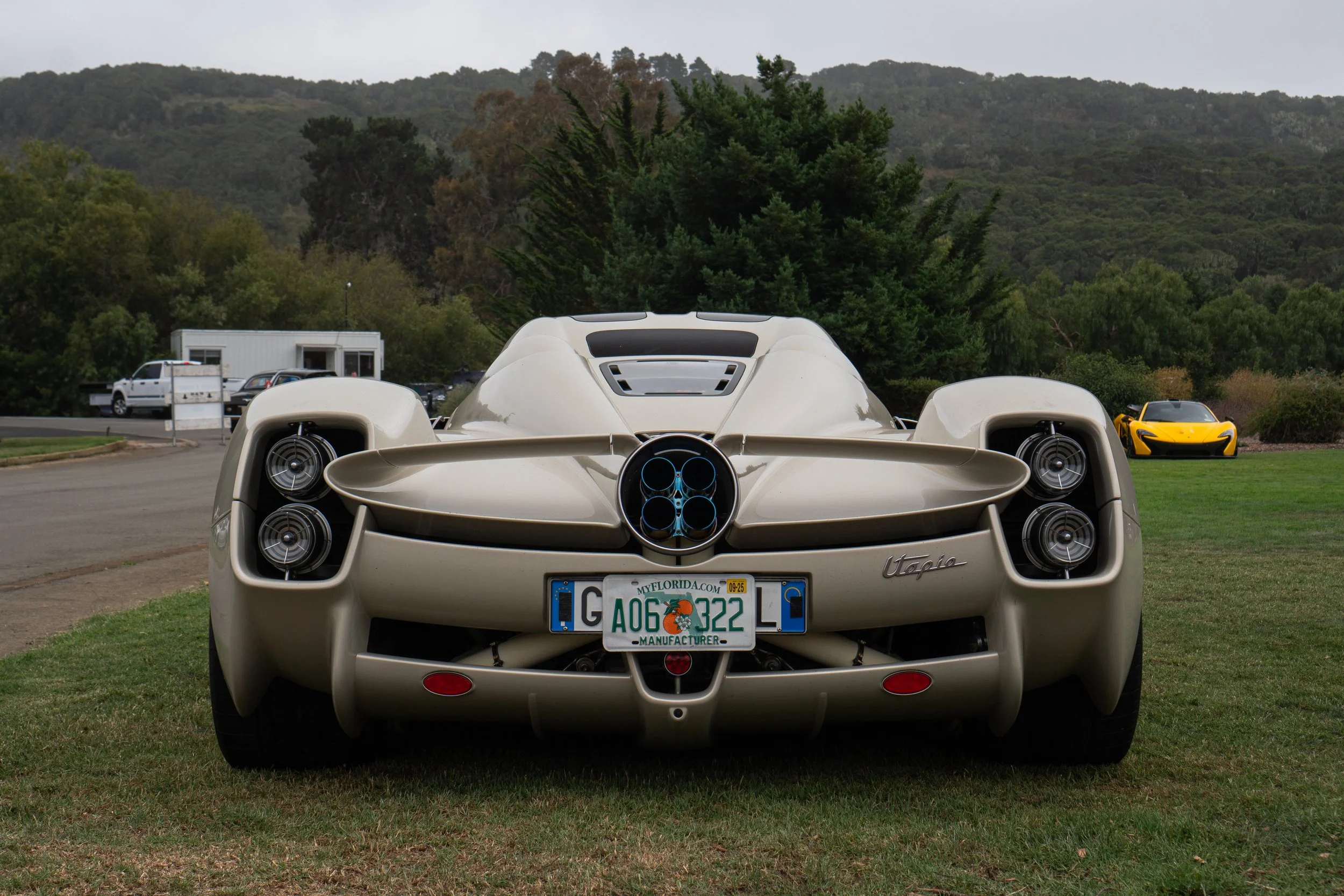
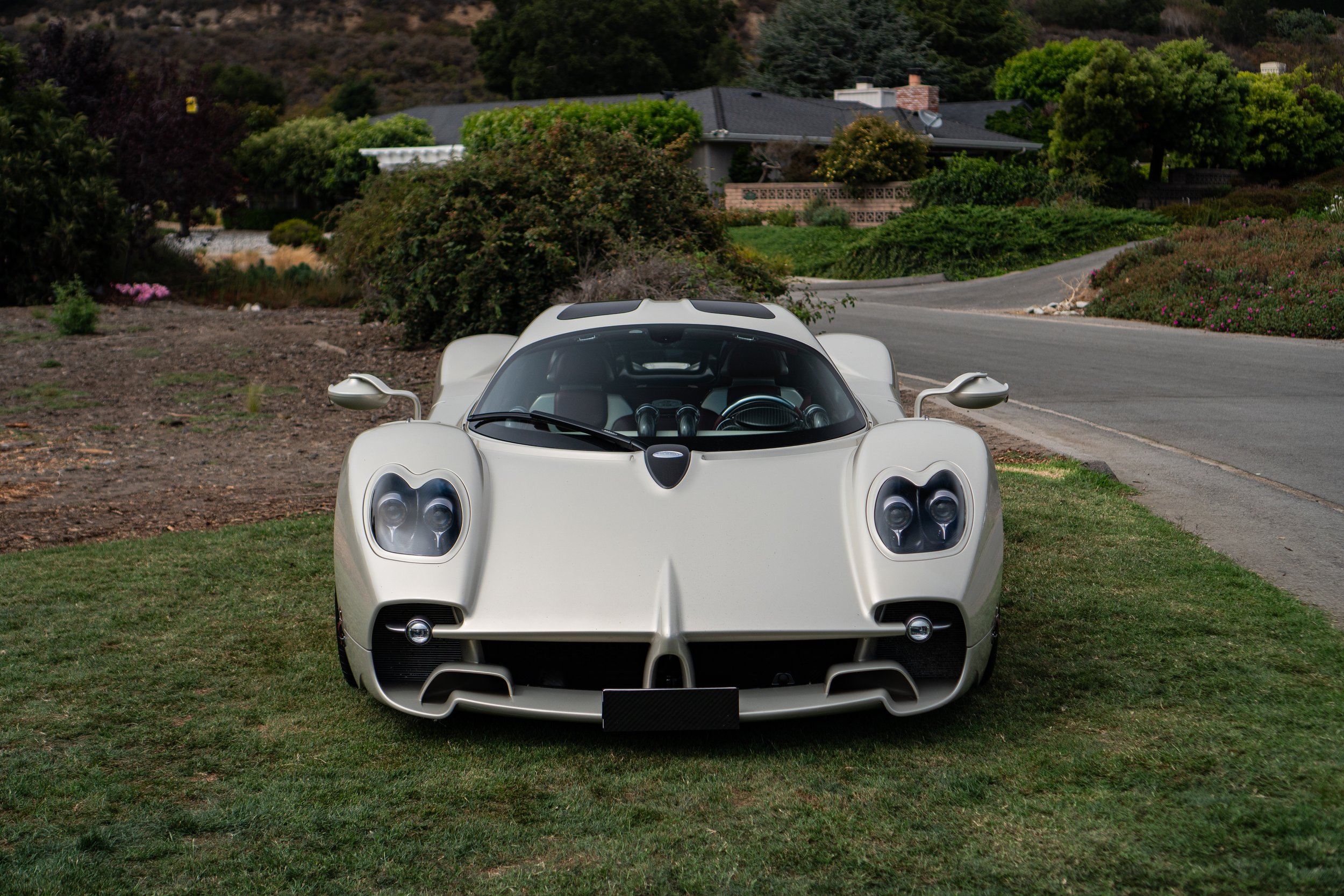
The Utopia is a stunning evolution of Pagani's design language, presenting as a smoother and softer take on the original Zonda. The Huayra always looked a bit clumsy by comparison; not an ugly car, but not quite as graceful as its stablemates. Its headlamps were too small, too high up, and the rear-end wasn't quite as distinctive. By comparison, the Utopia shows off a cleaner execution of Pagani's best styling signatures, a softer overall design that I believe will age quite gracefully.
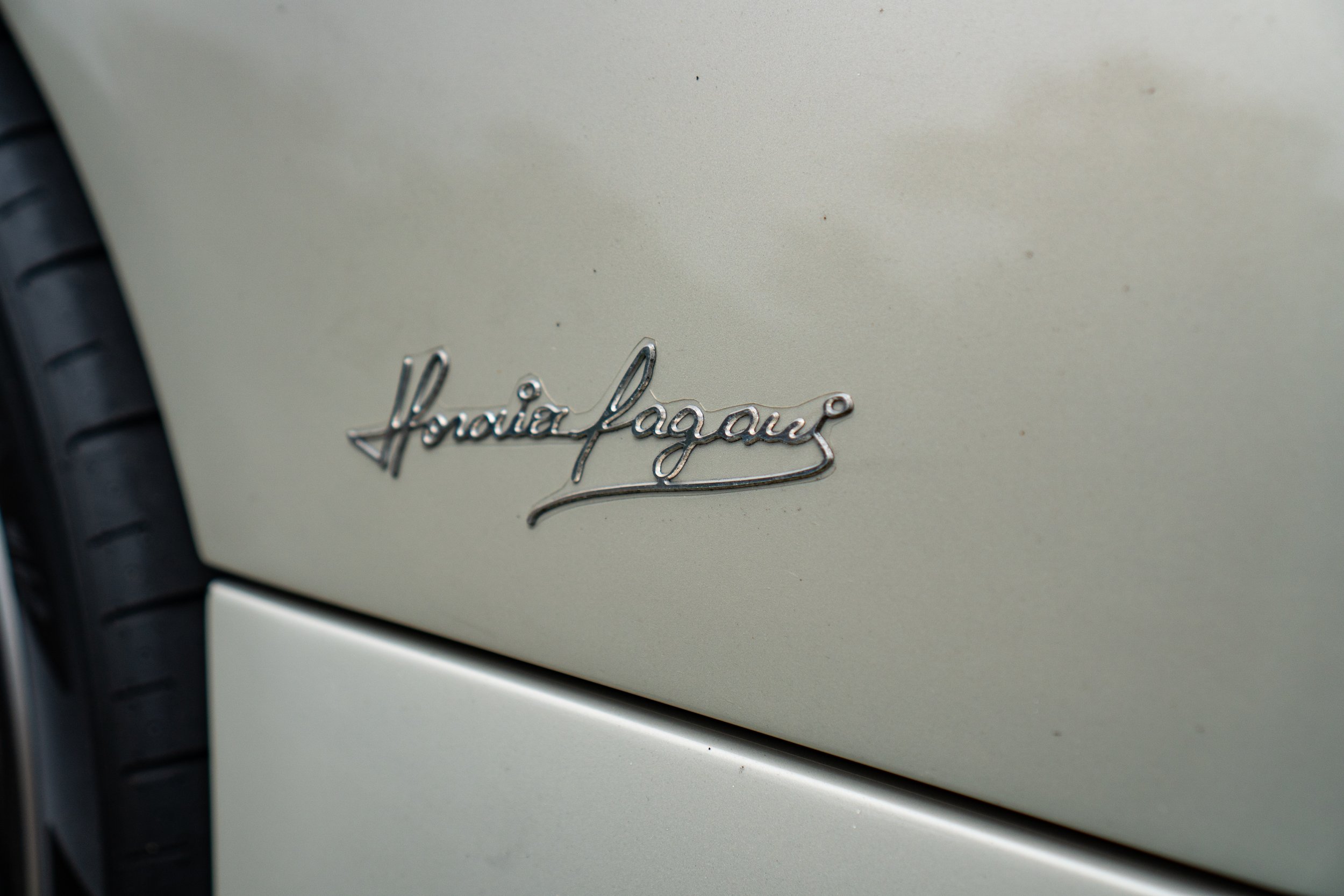
As the industry trends towards downsizing, automation, alternative powertrains, and the like, Pagani has always felt like a celebration of perhaps a more classical sense of car enthusiasm that we may not get to indulge in for much longer. The Utopia feels like Pagani's magnum opus. I don't think they could have picked a better name.